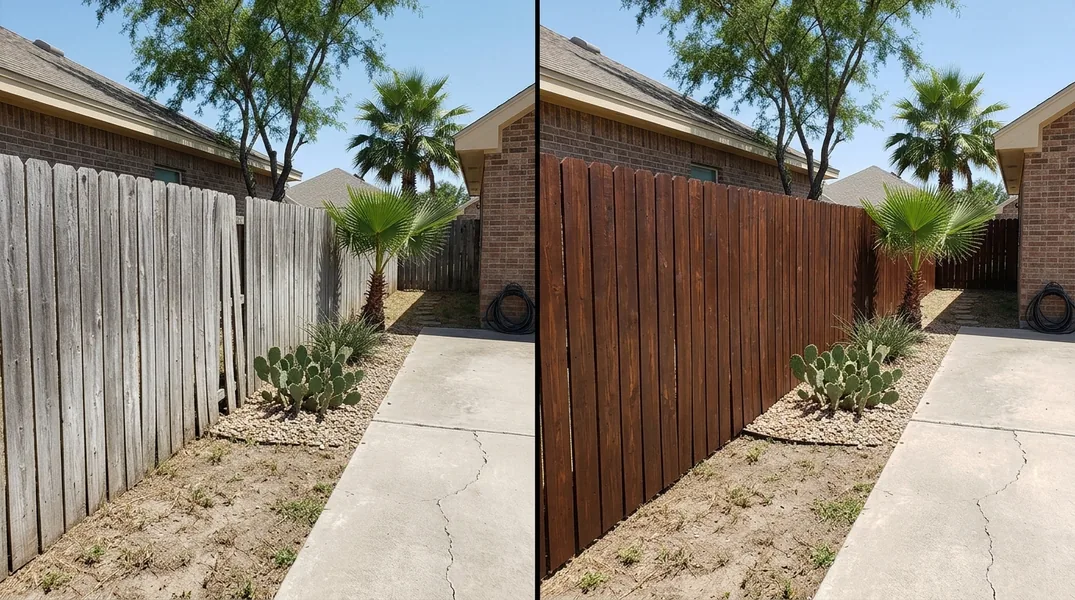
Understanding HOA Fence Restrictions in McAllen Communities
If you own a home in McAllen within an HOA community, you've likely received the thick binder of rules and regulations that govern everything from lawn height to exterior modifications. Fence installation is one of the most common requests homeowners make, and also one of the most heavily regulated by HOAs. Communities like Sendero and Cimarron have particularly detailed fence guidelines that homeowners must follow before breaking ground on any project.
The reason HOAs enforce strict fence rules is straightforward: they want to maintain property values, preserve the aesthetic character of the neighborhood, and prevent disputes between neighbors. However, this doesn't mean you can't install a fence. It simply means you need to understand the rules, select compliant materials, and often obtain written approval before your contractor begins work. Many homeowners in McAllen are surprised to learn that their dream fence design may not align with their community's covenants, conditions, and restrictions (CC&Rs). That's why doing your homework upfront saves time, money, and frustration later.
Common Fence Material Restrictions in Sendero and Cimarron HOAs
Most McAllen HOAs, including Sendero and Cimarron, have approved material lists. The two most commonly discussed options are wood and vinyl, each with distinct advantages and compliance considerations. Many HOAs prefer Vinyl & PVC Fence Installation because it maintains a uniform, well-maintained appearance year after year without the weathering that wood naturally undergoes. Vinyl doesn't require staining, sealing, or regular painting, which aligns with HOA goals of keeping neighborhoods looking pristine.
Wood & Privacy Fence Installation is also permitted in many HOA communities, but with conditions. HOAs typically require specific wood grades, regular maintenance documentation, and may restrict the fence to certain heights or styles. Some communities require homeowners to sign maintenance agreements stating they'll repaint or restain the fence every few years. Before assuming wood is prohibited, review your CC&Rs carefully or contact your HOA board directly. Chain Link Fence Installation and Aluminum & Ornamental Iron Fencing may also be options, though they're less common in residential HOA communities focused on privacy fencing.
Vinyl vs Wood Fence: Which Material Meets HOA Standards?
The vinyl vs wood fence debate is central to most HOA fence discussions. Vinyl has gained significant popularity in HOA-governed communities because it checks nearly every box on a homeowners association's wish list. It resists fading, doesn't splinter, requires zero staining or sealing, and maintains its appearance through the Texas heat and occasional freeze cycles. Many Sendero and Cimarron residents choose vinyl specifically because it eliminates the ongoing maintenance burden and keeps their HOA compliance record clean.
Wood fencing, however, offers aesthetic appeal and warmth that some homeowners prefer. The natural grain and rich tones of quality wood create a classic look that vinyl can approximate but not perfectly replicate. The catch is that wood requires commitment. You'll need to inspect it annually for rot, apply sealant every two to three years in the South Texas climate, and address any damage promptly. Some HOAs allow wood only if homeowners agree to a maintenance schedule and allow the HOA to inspect the fence annually. If you're considering wood, confirm with your HOA board that they'll accept a signed maintenance agreement before moving forward. The best fence material for your situation depends on your lifestyle, budget, and willingness to maintain the fence over time.
Vinyl vs Wood Fence Cost: What to Budget for Your HOA Project
When evaluating vinyl vs wood fence cost, vinyl typically carries a higher upfront price tag but delivers lower lifetime expenses. Vinyl fencing generally costs 20 to 40 percent more per linear foot than quality wood during installation. However, when you factor in the cost of sealant, stain, repairs, and replacement sections over a 20 to 30 year lifespan, vinyl often becomes the more economical choice. Wood requires ongoing maintenance that accumulates significant expense, whereas vinyl remains virtually unchanged for decades.
The actual vinyl vs wood fence cost in your McAllen project depends on several variables: fence height, total linear footage, terrain challenges, gate requirements, and labor availability. A 150-foot privacy fence in vinyl might range from $3,000 to $6,000 installed, while the same project in quality wood could run $2,500 to $5,000 upfront but require an additional $500 to $1,500 in maintenance every three years. To get an accurate picture of what your specific project will cost and which material best fits your budget, contact McAllen Fence Contractors at (956) 586-5811 for a detailed free estimate. Our team can review your HOA requirements, assess your property, and provide transparent pricing for your preferred material.
Best Low Maintenance Fence Options for HOA Compliance
If you're attracted to the idea of a fence but dread the thought of constant upkeep, the best low maintenance fence option is almost certainly vinyl. Vinyl requires nothing more than occasional rinsing with a garden hose and mild soap to remove dust or pollen. It won't rot, warp, splinter, or fade in the South Texas sun. This makes it the ideal choice for busy professionals, retirees who prefer not to manage home projects, and anyone who values their free time. Many Sendero and Cimarron HOAs actively encourage vinyl installation because it reduces compliance issues related to poorly maintained fencing.
Another low maintenance option is Aluminum & Ornamental Iron Fencing, which also resists weathering and requires minimal care. However, aluminum and ornamental iron are typically chosen for decorative purposes rather than privacy, so they may not suit your privacy fencing goals. If your HOA permits it and privacy is less critical than aesthetics, these materials offer durability and minimal maintenance. For the vast majority of homeowners seeking privacy with peace of mind, vinyl remains the best low maintenance fence choice that satisfies both personal preferences and HOA regulations.
Steps to Get Your Fence Approved by Your McAllen HOA
Before calling a contractor, take these steps to ensure your fence project gets HOA approval. First, obtain a copy of your community's CC&Rs and architectural guidelines. These documents spell out exactly which materials are permitted, height restrictions, setback requirements, and whether you need written approval before installation. Second, contact your HOA board or architectural review committee directly. Ask specific questions about your proposed fence material, height, and location. Get their feedback in writing if possible, as this protects you later if there's any disagreement about what was approved.
Third, submit a formal request for approval if your HOA requires it. Most communities want a sketch or photo showing the proposed fence, its location on your property, the material you've chosen, and the projected timeline. Finally, once you have HOA approval in hand, reach out to McAllen Fence Contractors. With your approval letter, we can proceed confidently with installation knowing your project meets all community standards. Call us at (956) 586-5811 or visit our website to request your free estimate. We've worked with countless homeowners in McAllen HOA communities and understand the approval process inside and out.
Looking for a professional tree service in McAllen? McAllen Fence Contractors responds fast for all your fence needs.
Get a Free Quote